Follow a manual added link
Stedelijk Studies Journal Issue #15
Centering Communities and Activating Collections Through Collaborative Curatorial Practice
by Christine Brindza and Marianna Pegno
In 2014 Christine Brindza, curator of Art of the American West at the Tucson Museum of Art and Historic Block (TMA), was developing an exhibition, Western Heroes of Pulp Fiction: Dime Novel to Pop Culture, which placed artworks by Roy Lichtenstein, Andy Warhol, and more alongside “Old West” Americana and rooted in a masculine, rugged hero character.
This prompted her colleague in education and community engagement, Marianna Pegno, to ask:
“Isn’t the Western hero predominantly—and perhaps problematically—white and male? What are you going to do about this?”
Christine responded:
“What are you going to do about this?”
This invitation to think critically about representation set off a decade-long collaboration, which sought to systematically challenge, expand, and reframe understandings of art of the American West. The first act of complicating the narrative included wall labels that highlighted multiple perspectives to expand the traditional representation of the Western hero. These community-written labels looked to open conversations, share knowledge, and partake in meaning making. From this point community-based methods were incorporated into subsequent exhibitions.
We have worked to systematically identify strengths and opportunities in TMA’s programs and exhibitions through critical reflection and community engagement to inform practices, expand the collection, and function as a springboard. We each bring twenty years of museum field experience but come from different paths. Christine’s practice integrates education and community-based initiatives alongside traditional curatorial connoisseurship. Marianna blends community-engaged methods and social practice—an approach that evolved from an interdisciplinary background mixing art history, pedagogy, art making, and community organizing—to foster connections in museums and beyond.
Our practices resulted in an interdepartmental coalition and integration of community-based work. We share reflections and lessons learned from employing strategies of community-based curation by providing background, methods, regional context, and case studies, with conclusions that address implications of a replicable framework.
We believe the ways that communities, audiences, and stakeholders experience museums and cultivate relationships with artworks, spaces, and staff must be centered in local contexts. Community-based curation, as an iterative, systemic, and collaborative framework, can build more relevant and participatory museums. This practice is rooted in sustained collaborations with stakeholders, or a cohort of community curators—normally between three and twelve individuals—who develop exhibitions, interpretation, and public programs from inception to implementation and beyond.[1] These community curators, who play key roles in exhibition development, have varied backgrounds such as educators, artists, cultural leaders, tradition bearers, scholars, immigrants/refugees, students, and more. This ensures that exhibitions reflect diverse voices and local relevancy. This approach has enabled TMA to become more impactful by building connections between community and collections.
linger in the complex layers of intertwined and interwoven stories [ . . . ] where we can engage in the inquiries that will help us understand the lives of people and the worlds they and we live within.[2]
By situating community-based curation as a qualitative investigation, museums can become responsive to and aware of their audience’s interests and relationships to artworks—linking the agency of objects, the qualities of a local community, and the space where they overlap. This method entails:
Researchers Srivastava Prachi and Nick Hopwood have outlined the potential of interactive practices in qualitative inquiry. They reflect: “The role of iteration, not as a repetitive mechanical task but as a deeply reflexive process, is key to sparking insight and developing meaning.”[3] This foundation enabled us to identify opportunities and reframe inquiries responsive to our learnings in real time. Lived and personal experiences can guide and center a narrative curatorial approach, which activates objects beyond traditional academic expertise by identifying new connections between history and contemporary experiences, unearthing cultural contexts, building bridges between content areas, and providing methods for culturally relevant stewardship and collections care.
Regionality—the unique qualities of place, such as the people, history, culture, and land—is a significant yet complicated consideration for art museums. A regional lens offers a method of focusing on the communities an institution serves, which are predominantly localized to the geographic areas surrounding the museum. For the TMA this consists of a 160-km (or hundred-mile) radius. Amplifying distinct regional attributes excites residents and invites those from other areas to experience the location. However, historically, dominant narratives have erased or overlooked diverse communities and nuanced implications related to place.
For the past fifty years, museum theorists have produced discourses about being responsive to communities, advocating for new frameworks of practice. Historian James Clifford recommended contact zones, places where communities and museums connect, moving toward a place of engagement with constituents where the collection becomes part of “an ongoing historical, political, and moral relationship—a power-charged set of exchanges, of push and pull.”[4] In Eilean Hooper-Greenhill’s postmuseum model, considerations focus on relational connections and processes that center the community, while Grant Kester and Scott Marsden proposed strategies based on dialogical cocreation and critical inquiry.[5] These ideas are foundational to changing museum approaches, which we support by positioning exhibitions as spaces where communities and artworks reveal complex polyvocal narratives.[6]
Mounting scholarship emphasizes collaboration and conversation among communities and museums. With outcries for museums to address disparate collecting practices and the shortfalls of representation, and the drive to decolonize the museum, models of cocuration are viewed as contemporary means to contend with these issues.[7] Shared leadership allows acknowledgment of the “power of both objects and communities as well as individual and shared curatorial authority to create meaningful experiences for visitors.”[8] We recommend consideration of the following questions: How do, or can, museums reflect and integrate local communities? Or in what ways do the museum’s collections overlap or intersect with the identities of the community in which it is situated? How might museums position themselves as a cultural asset and convening space for these communities?
In response we sought to explore the overlap between TMA’s collection and communities through new frameworks for interpretation, curation, and program development that amplify lived experiences of people in Southern Arizona in the museum’s galleries. The result was a model of curatorial practice that activates community curators through dialogue, creates co-stewardship, and reflects collaborative and evolving relationships.[9] Community curation examines narratives that emerge from the expertise of communities and the relational agency of artworks.[10] For instance, one collaborator remarked that the popular imagery associated with art of the American West did not reflect her multigenerational regional connection. She stated: “As a fifth-generation Tucsonan who descends from wagon builders, I never connected with depictions of the ‘Wild, Wild West.’”[11] It is this disconnect that necessitates an expansion of how museums can listen to, serve, and engage their constituents.
Examples discussed here focus on art connected to our region and how the people, cultures, histories, and heritages are often reduced to easily definable categories that center dominant experiences rather than complexities. We tested emerging ideas in small-scale interventions (12+ artworks) in People of the West: A Rethinking of “Westerners” (2022), which focused on representations of people living and working within the American West. We refined ideas and reinterpreted a collection gallery (30+ artworks) in Southwest Art: Contemporary Conversations (2023). And we expanded how collections and art historical disciplines could be recontextualized through community expertise (60+ artworks) in Divergence of Legacy: Art of the American West in the 21st Century (2025). Each project flowed into the other, highlighting how an iterative process and sustained investigations in a content area can consist of scalable, generative, and long-term conversations.
In the case studies we focused on exhibition development through a collaborative framework that centers, critiques, and expands on the idea of the American West. This includes an investigation of the geographic and cultural landscape of the American Southwest and the “American West” canon. Broadly known as a large land mass acquired by the United States in the Louisiana Purchase of 1803, over time it reached from the Mississippi River to the West Coast. Its historical borders are associated with the expansion and settlement movement of the nineteenth century, though Native peoples had lived in the area for millennia. Today the American West stretches across subregions distinct for their topography and climate, such as the Great Plains, Rocky Mountains, Desert Southwest, and West Coast regions. Apart from this history the American Southwest pre-dates the Louisiana Purchase, with European settlers arriving in the region in the eighteenth century from Mexico. For example, Tucson was “founded” in 1775—one year before the establishment of the United States—yet Arizona did not officially become a state until 1912.
People of the West: A Rethinking of “Westerners”
A collaborative intervention in the Art of the American West gallery at TMA, People of the West: A Rethinking of “Westerners” (2022), derived from conversations with Arizona-based artists Papay Solomon and Anh-Thuy Nguyen, whose artistic practice and identities challenge traditional definitions of an American Westerner. Contextually a traditional Westerner is a resident of the American West who embodies the look and persona based on stereotypes such as the cowboy. Solomon, a refugee from Liberia, and Nguyen, a Vietnamese immigrant, felt their stories and identities were not represented in these dominant narratives.
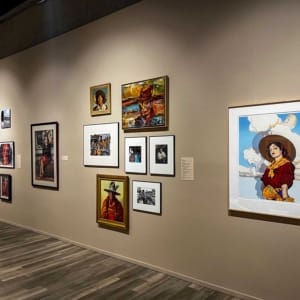
People of the West: A Rethinking of “Westerners” (fig. 1) questioned how the TMA, by working with collaborators, might offer a new interpretation of “Westerners” that is more inclusive and reflective of a twenty-first-century vision. This resulted in an artwork display in the collections gallery that included portrayals of white cowboys and idealized Indigenous peoples—traditional tropes of this genre—placed among images of people of color, women, immigrants, and people with disabilities. This approach disrupted art historical disciplines—shifting to interdisciplinary curation—and echoed practices of institutional critique.[12] We saw an opportunity to continue defining, testing, and iterating this framework. TMA reached out to long-term partners—including educators at local public schools, students, local small-business owners, and organizations serving immigrants and refugees—to continue the discussion. This intervention enabled TMA to explore how the curatorial process can be responsive, build an exhibition team with staff and community members, and commit to a multiyear investigation.
Fig. 1. Installation view of People of the West, 2022. Image courtesy of the authors.
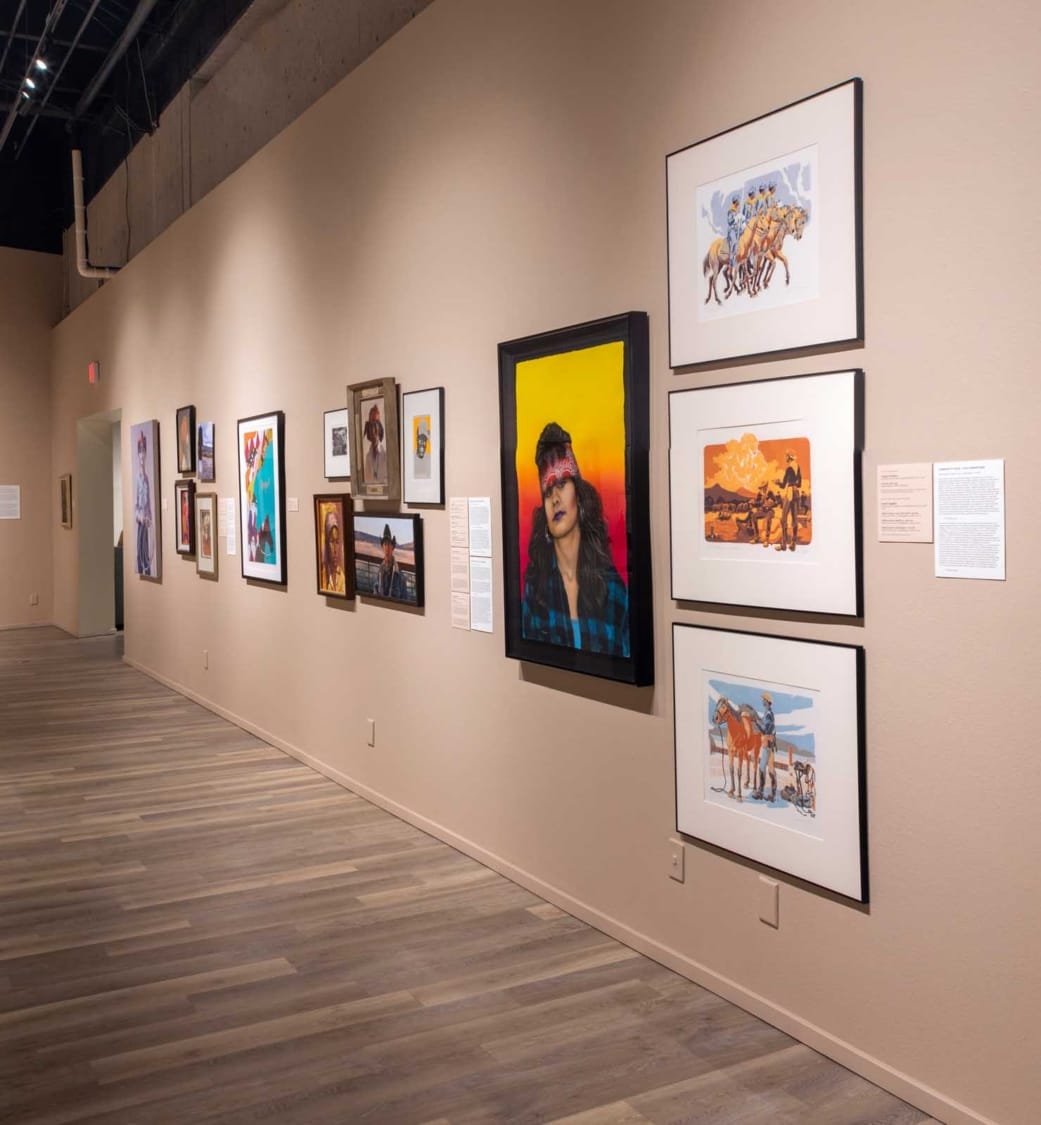
Fig. 1. Installation view of People of the West, 2022. Image courtesy of the authors.
The second iteration from 2023 (fig. 2) was developed with high school students (ages fifteen to seventeen), from a school in which the museum has had an ongoing programmatic relationship. Their understanding of “Westerners” expanded the first intervention’s vision and incorporated workshopping themes, artwork selection, and exhibition layout. Given paper cutouts of collection images, the class broke into groups and decided what they would include. The results consisted of images embedded in urban experiences. The third iteration (2024), developed by the Southern Arizona VA Polytrauma group in Tucson,[13] chose pieces in collaboration with staff and determined an overarching idea for their installation: the spirit of freedom. They added a public music playlist to access via QR code.
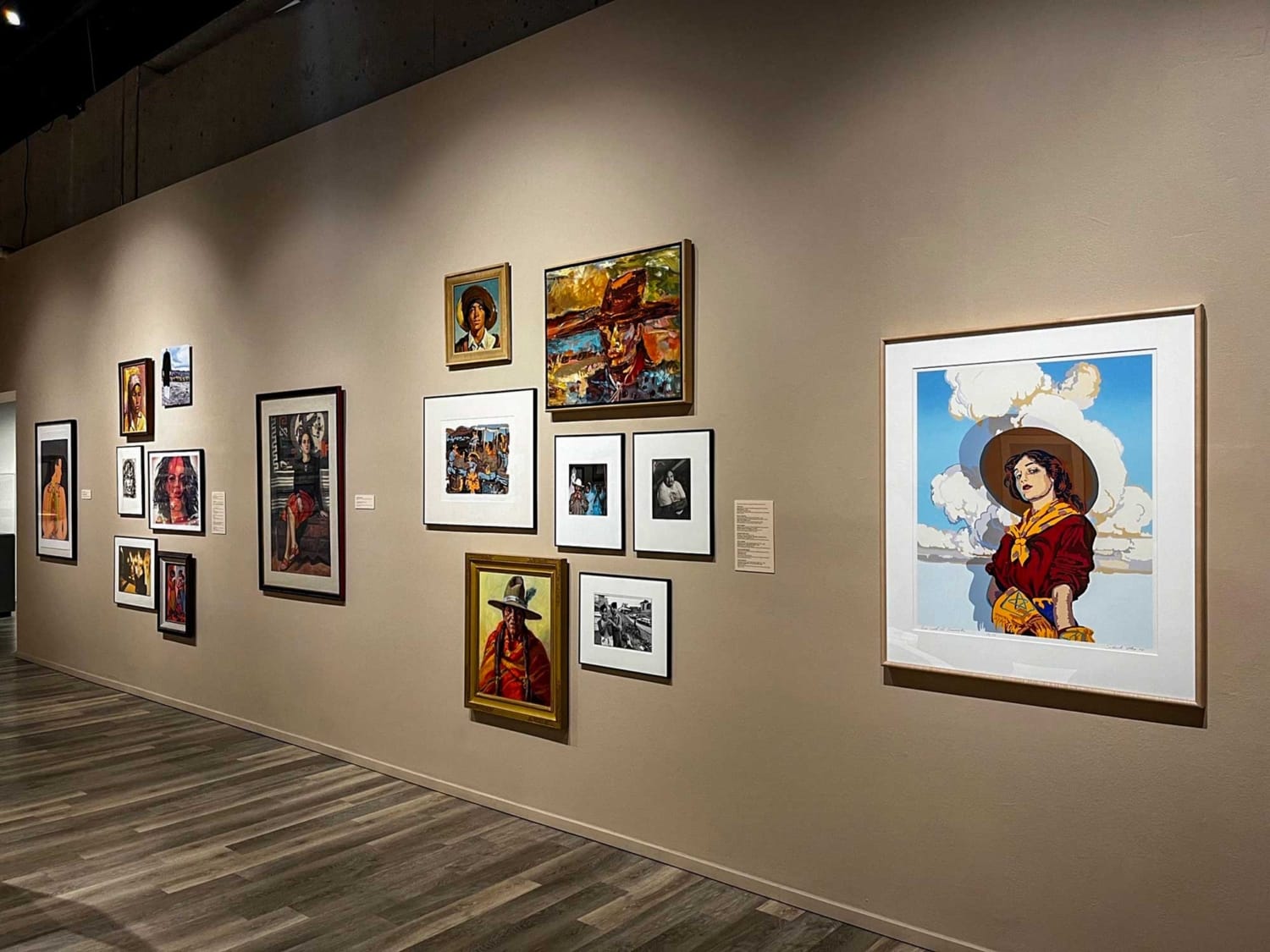
Fig. 2. Installation view of People of the West, 2023. Image courtesy of the authors.
In these iterations the collaborators and curatorial and engagement staff were able to “engage in relational and responsive practices within this disruption of the traditional curatorial model.”[14] By breaking from the model the meaning of “Westerners” increased multifold.
Southwest Art: Contemporary Conversations (2023) followed a graduated approach where the collaborations embraced the overlaps between art, people, and places. The exhibition—a collection gallery—focused on the intersectional nature of the Southwest and the acknowledgment of stories missing from the collection (figs. 3-5). Research began with one-on-one discussions, then facilitated semistructured conversations through focus groups (consisting of artists, TMA stakeholders, and other community members), and the formation of a curatorial cohort that determined objects and themes. Individuals were chosen by TMA staff based on earlier collaborations with the museum—to ensure a baseline of trust—as well as their connections to the region, varied skillsets, and perspectives.
Community curators selected artworks that addressed the region’s complexities through identities, perspectives, land, and materials: themes that correspond with historical and contemporary artworks and underscore the binational characteristics of the Sonoran Desert (where Tucson resides). The selections built relationships across time, location, and media, and they evoked the multimodal qualities of the region. Music, poetry, and information about regional initiatives were integrated into the layout. Southwest Art focused on Tucson’s location in the past and present, examining its histories, cultural traditions, effects of settler colonialism, technological advances, and demands of natural resources. Artwork traced these topics, juxtaposing one work with another or several at junction points. Southwest Art amplified multiple voices to represent a spectrum of experiences related to place, highlighting the power of conversations not only between people but also between artworks.
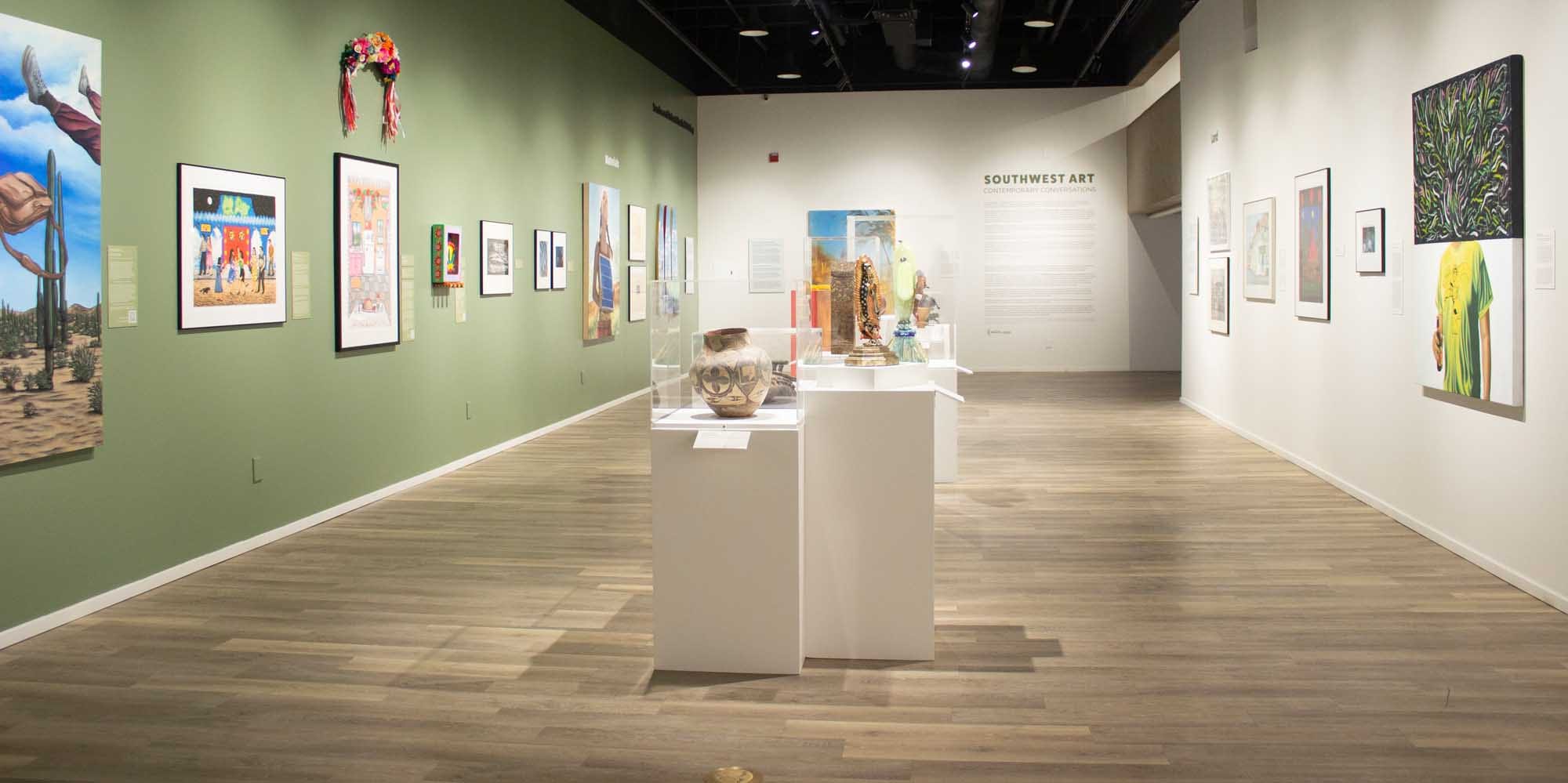
Fig. 3. Installation view of Southwest Art: Contemporary Conversations, 2023. Image courtesy of the authors.

Fig. 4. Portrait clusters in People of the West, 2023. Image courtesy of the authors.
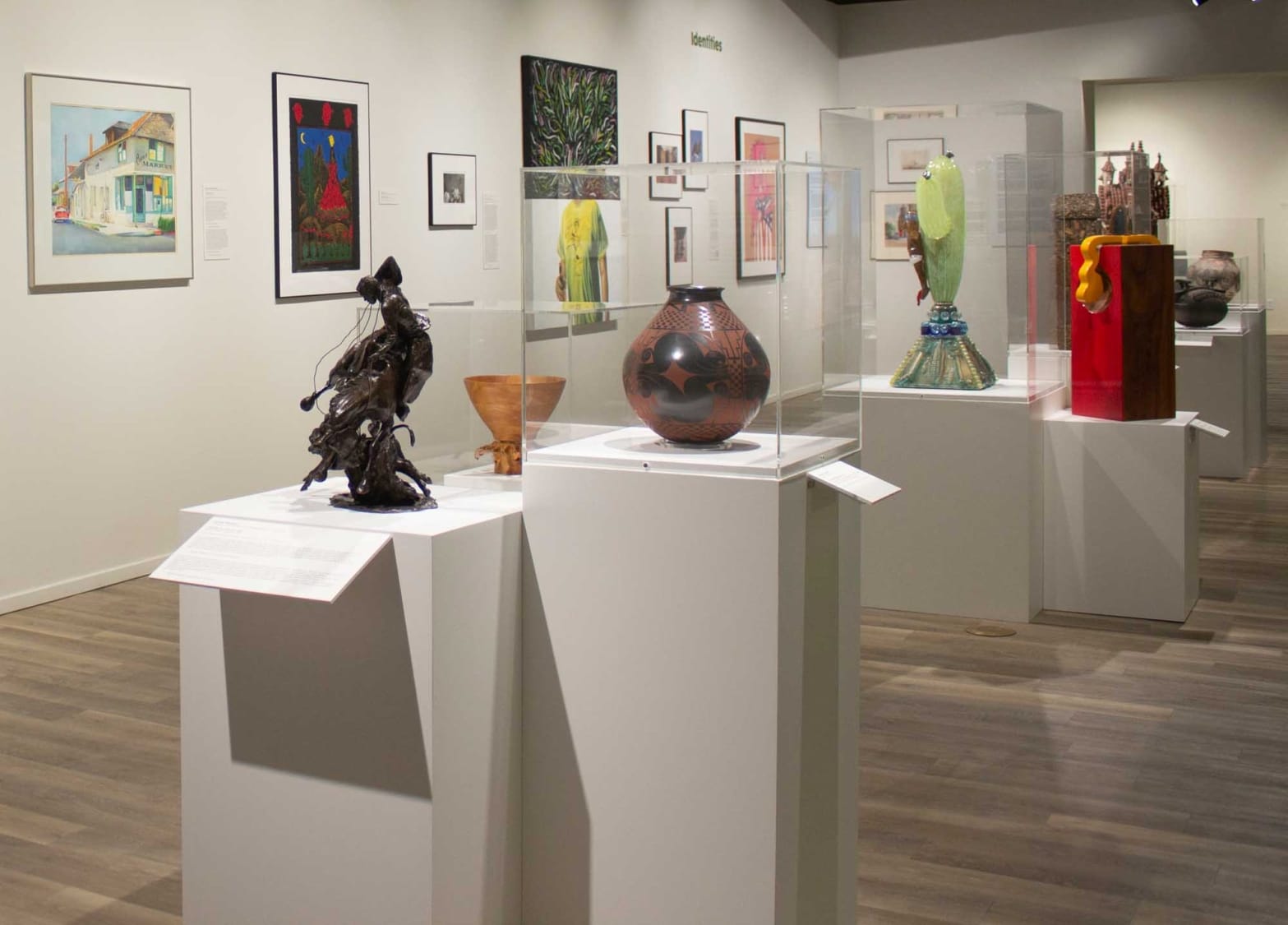
Fig. 5. Junction points in Southwest Art: Contemporary Conversations, 2023. Image courtesy of the authors.
After four years of discussions among community members, we became aware of the strength of dialogical exchanges. Through iterative cycles and sustained investigations of and between collections and communities, we discovered countless directions for inquiry and how the process of developing community-based exhibitions identifies, cultivates, and unpacks relationships.[15] This framework exists as a series of strategies and conditions of meaning making—echoing the theories of Karen Barad, whose concept of the “apparatus” is “a dynamic set of open-ended practices, iteratively refined and reconfigured,”[16] “not bounded objects or structures.”[17]
Through dialogue, relationships, and the proximity of various actors—people and artworks—new meanings can emerge. Understandings about the collection are evolving through negotiations between individuals, collectives, and artworks. When situated to highlight their intersections, site-specific interpretations are possible. This offers an avenue where objects can be activated, reimagined, and recontextualized through participation.
Realizing this potential we were inspired to continue systematic investigations by diving deeper into the tensions—both productive and arresting—between the historical or mythic ideas of art of the American West and its realities. We asked: How can we define and recontextualize art of the American West in the scope of this exhibition and TMA’s collection? And how can contrasting ideas representing the mythic, authentic, and nuanced cultural items, experiences, and artistic practices be placed in conversation with and include Tucson’s unique story?
We aimed to investigate the conversations between objects, time periods, cultures, and artistic practices through a lens that challenged historic constructs and sought to reinsert narratives of those systemically overlooked.
Museum staff scaled its community curation practices into a new, substantial format: a temporary exhibition called Divergence of Legacy: Art of the American West of the 21st Century. In a space intended for larger installations, a community-curated exhibition in this location amplified this approach institutionally (figs. 6-7).
In building the expanded framework, staff reflected upon the successes and shortfalls from previous experiences and evaluated perceptions of the collection that could be further magnified through dialogic and polyvocal interpretations. Therefore, the exhibition asked a more comprehensive question: How is art of the American West considered from the perspective of the twenty-first century?
The collaborative design on the front end of the exhibition was revised to make space for additional group conversations to increase familiarity among collaborators. One-on-one conversations with community members kick-started the process, asking individuals how they defined the genre today, followed by two focus group meetings with assorted stakeholders (such as museum volunteers, educators, cultural leaders and workers, artists, and representatives from peer museums).
After the focus group sessions, where members discussed potential big ideas, community curators were chosen to expand key concepts. Because of prior meetings conversations flowed more easily. Attendees had a greater understanding of the process and remarked on how their perceptions were broadened. The themes and choices of artwork were derived from a compilation of all the meetings and a group review. Surveys were distributed to community curators to help make decisions. Reflecting on the curatorial process, chef and multidisciplinary artist Feng-Feng Yeh said:
Our long-form discussions, with collective contributions by a diverse group of community educators and artists, explored relevant topics that deal with the broader struggle of examining the American identity and existence [ . . . ] I hope the exhibition will ultimately result in a jump-off point for our community to continue to evolve the dialogue about Western ideology and the role it has in defining our cultural narratives and the powers and values that shape our lives.[18]
Because most of the community curators were Tucson residents, their initial review of the Art of the American West collection was geared toward contemporary works that connected to local or cultural issues rather than traditional landscapes, cowboy or Indigenous imagery, or romanticized stereotypes: often aggrandized concepts perceived by outsiders of the region. An oversaturation and familiarity with imagery of “Western art” drove curators toward unexpected works in terms of perspective, color palette, materials, subject matter, and message. They were in search of a place-based understanding of the genre that centered the Sonoran Desert and the US-Mexico borderlands rather than a definition indebted to Westward Expansion and settler colonialism. For example, while there are working cowboys, not everyone follows this way of life, and it does not represent everyone living in the area. It was later in the process that the community curators inserted these works as a counterbalance and acknowledgment of the depth of histories that exist in the American West.
One specific grouping of artworks in the exhibition critiqued the myopic practice of staging in “iconic” photographs of Western subjects. In relation to this topic, one curator asserted:
There is a long history of staging photographs through the lens of colonialism in Southwest art. Countless Indigenous portraits were crafted to denote “Nativeness,” “savageness,” and “otherness” for the gaze of the white European viewer. This practice was damaging, but what if you were never present in the picture at all?[19]
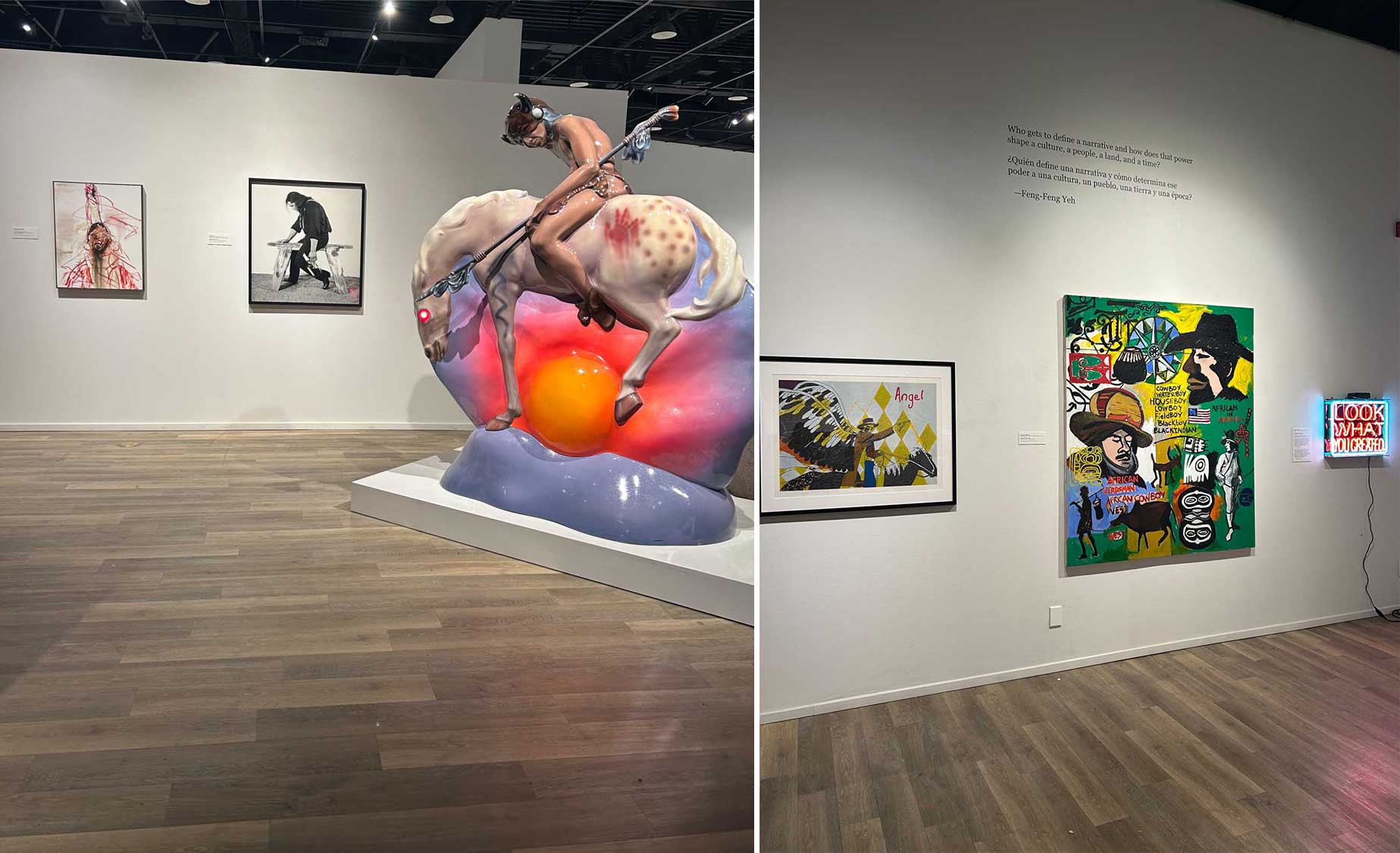
Figs. 6–7. Installation views of Divergence of Legacy: Art of the American West in the 21st Century, 2025. Image courtesy of the authors.
At the onset of our community-based curatorial work, we expected the power of collective voice to change traditional practices. We did not anticipate how these conversations could build new connections between artworks that would represent the region’s histories, cultures, peoples, and heritages. The participation of communities in exhibition development can activate the agency of objects and assert that individuals, communities, and artworks have the potential to foster relevant exhibitions that embrace complex narratives that reflect people and place. This approach embraced how varied lived experiences and polyvocality may challenge mono-narrative experiences in favor of a more expansive interpretative offering.
This shift in practice highlighted exhibition development and a curatorial vision that centers communities through a narrative approach, which does “not shy away from tensions that occur”[20] and honors multiple, simultaneous, and at times divergent experiences, knowledge, and stories. While we learned more about contextualizing works of art, we encountered controversy and conflict that challenged individual expertise, interdepartmental approaches, and interpretative frameworks.
Throughout this process we learned to challenge traditional stewardship through a broadening of expertise by placing lived experiences and cultural knowledge in dialogue with academic training. This required different thinking about specialized disciplines within the museum. We grappled with balancing audience and community engagement in concert with curatorial practices—getting comfortable with compromise where no single voice or expert “wins.” Sometimes balance means neither the traditional (i.e., canonical) nor boundary-pushing ideologies come out on top—leaving space for a new thesis or focus to emerge.
Moments of conflict had us embracing compromise rather than hierarchical decision-making. As we negotiated and unpacked critiques and comments, we could become comfortable with disagreements and identify a new path forward. We intentionally generated new timelines and nonhierarchical approaches to make space for more nuance and voices in the development process. This shifting practice toward collaboration enabled us to value audiences and communities and artworks and exhibitions, generating more expansive scholarship and inclusive collections informed by community needs and museum response.
To ensure sustainability a critical component is to think regionally with considerations of global conditions, to continue these activities while being relevant to museum audiences. By working through participatory and collaborative curatorial frameworks, regional museums have the potential to situate themselves as a vital resource—a place where individuals can see themselves and their history reflected on the walls and where collecting practices can thoughtfully augment gaps that might exist. Through these collaborations out-of-town audiences may also come to better understand the nuances of the region.
Community-Based Curation: A Toolkit for Expanding Narratives and Changing Practice was our answer to how to shape and inform museums with a transferable framework.[21] Available for download on TMA’s website, this guide is for museum practitioners interested in developing authentic relationships with communities and seeking to activate their collections. As of August 2025, at TMA, this method has been used in the development of ten exhibitions of various sizes.
When thinking about successful approaches and methods, we realized that this process has led to stronger bonds with individuals and local nonprofits, increased the visibility and recognition of the TMA as a thought leader by other museums, deepened relationships with regional officials, a continuance of funding (via grants and individual support), opportunities to share research and practice through publications and presentations, and the ability to scale this practice within our museum. It has affected staff and volunteers, museum programming, interpretation, and general ways of doing business. Community-based curation, from small to larger degrees of practice, is possible and necessary for the vitality of museums as well as communities. It is significant to the advancement of the field and supports museums in more fully reflecting, integrating, and collaborating with the communities they serve.
Christine C. Brindza serves as senior curator of art at the San Antonio Museum of Art t. She has spearheaded exhibitions that broaden representation of the American West, provide multiple access points, and consider relevance to local audiences. Brindza has a PhD in art and visual culture education from the University of Arizona, as well as BA in art history and an MA in archival, museum, and editing studies, and a BA in art history from Duquesne University.
Marianna Pegno is the senior curator, art and social practice atthe Tucson Museum of Art and Historic Block. In this role she focuses on building a culturally relevant, community-based institution through, exhibitions, interpretation, and partnerships. In practice and research Pegno is committed to exploring the implications of collaboration and multivocal narratives in art museums. Most recently she coedited Institutional Change for Museums: A Practical Guide to Creating Polyvocal Spaces (2024). Pegno holds a PhD in art and visual culture education and an MA in art history from the University of Arizona as well as a BA from New York University.
Bowell, Kate, Elizabeth Wood, Rainey Tisdale, Trevor Jones, Trevor Jones, Rainey Tisdale, and Elizabeth Wood. “Object Reincarnation: Imagining a Future Outside the Permanent Collection.” In Active Collections, 153–61. London: Routledge, 2017. doi:10.4324/9781315145150-24.
Jung, Yuha. “The Art Museum Ecosystem: A New Alternative Model.” Museum Management and Curatorship 26, no. 4 (2011): 321–38.
McTavish, Lianne. “The Decline of the Modernist Museum.” Acadiensis (Fredericton) 33, 1 (2003): 97–107.
Otero, Lydia R. La Calle: Spatial Conflicts and Urban Renewal in a Southwest City. Tucson: University of Arizona Press, 2010.
Tisdale, Rainey. “Objects or People?” In Active Collections, edited by Elizabeth Wood, Rainey Tisdale, and Trevor Jones, 21–33. Abingdon: Routledge, 2017.
U.S. Census. QuickFacts (July 1, 2023). Accessed December 2024.
[1] Marianna Pegno and Christine Brindza, “Redefining Curatorial Leadership and Activating Community Expertise to Build Equitable and Inclusive Art Museums,” Curator: The Museum Journal 64, no. 2 (April 2021): 343–62.
[2] Jean Clandinin, Vera Caine, Sean Lessard, and Janice Huber, Engaging in Narrative Inquiries with Children and Youth (New York: Routledge, 2016), 20.
[3] Prachi Srivastava and Nick Hopwood, “A Practical Iterative Framework for Qualitative Data Analysis,” International Journal of Qualitative Methods 8, no. 1 (2009): 77.
[4] James Clifford, Routes: Travel and Translation in the Late Twentieth Century (Cambridge, MA: Harvard University Press, 1997), 192.
[5] For more on these changing paradigms, see Eilean Hooper-Greenhill, Museums and Education Purpose, Pedagogy, Performance (London: Routledge, 2008); Grant Kester, Conversation Pieces: Community and Communication in Modern Art (Berkeley: University of California Press, 2004); and Scott Marsden, “An Insurgent Curatorial Strategy: Using Dialogue and Collaboration to Create Meaning in Public Art Galleries and Museums,” in International Journal of Lifelong Education 37, no. 1 (2019): 134–46.
[6] Polyvocality, as used in this article, sees multiple and varied narratives as an asset that challenges traditional and homogeneous curatorial programs. Embracing strategies and approaches that center and value polyvocality makes a broadening of practice possible. For more on the implications of polyvocality in museums, see Marianna Pegno and Kantara Souffrant, Institutional Change for Museums: A Practical Guide to Creating Polyvocal Spaces (Abingdon: Routledge, 2024).
[7] For more details about issues of representation in art museums, see Chad M. Topaz, Bernhard Klingenberg, Daniel Turek, Brianna Heggeseth, Pamela Harris, Julie Blackwood et al., “Diversity of Artists in Major U.S. Museums,” PloS one 14, no. 3 (2019); Julia Halperin and Charlotte Burns, “Here’s Every Element of the 2022 Burns Halperin Report, All in One Place,” Artnet, December 28, 2022.
For more on decolonizing museums, see Margaret Kovach, Indigenous Methodologies: Characteristics, Conversations, and Contexts (Toronto: University of Toronto Press, 2010); James Clifford, “The Times of the Curator,” Collections 7 no. 4 (2011): 399–404; Amy Lonetree, Decolonizing Museums: Representing Native America in National and Tribal Museums (Chapel Hill: University of North Carolina Press, 2012); Philipp Schorch, “Assembling Communities: Curatorial Practices, Material Cultures and Meanings,” in Engaging heritage, Engaging Communities, ed. Bryony Onciul, Michelle L. Stefano, and Stephanie K. Hawke (Suffolk: Boydell & Brewer, 2017); Linda Tuhiwai Smith, Decolonizing Methodologies: Research and Indigenous Peoples (London: Zed Books, 2021); and Shimrit Lee, Decolonize Museums (New York: OR Books, 2022).
[8] Ann Rowson Love, Pat Villeneuve, James Burns, Brooke Wessel, and Xiaonan Jiang, “Dimensions of Curation Competing Values Model: Tool for Shifting Exhibition Priorities in Art Museums,” Curator, 64 (2021): 717.
[9] See Marianna Pegno and Christine Brindza, Community-Based Curation: A Toolkit for Expanding Narratives and Changing Practices (Tucson: Tucson Museum of Art and Historic Block, 2024).
[10] For further considerations on how objects in museums are activated, see
Elizabeth Wood, Rainey Tisdale, and Trevor Jones, Active Collections (Abingdon: Routledge, 2017); Lizzie Muller and Caroline Seck Langill, Curating Lively Objects: Exhibitions Beyond Disciplines (Abingdon: Routledge 2022); and Judith Spijksma and Ann-Sophie Lehmann, “Flattening Hierarchies of Display: The Liberating and Leveling Powers of Objects and Materials,” Stedelijk Studies Journal 1 (2017).
[11] Anonymous, personal communication with authors, January 2025.
[12] Shifts in curatorial practice from discipline specific art historical approaches to more interdisciplinary methods are increasingly more common; for further reflections on this practice, see Malene Vest Hansen, Anne Folke Henningsen, and Anne Gregersen (eds.), Curatorial Challenges: Interdisciplinary Perspectives on Contemporary Curating (Abingdon: Routledge, 2019). Institutional critique has been integrated in museums through the work of contemporary artists such as Fred Wilson’s Mining the Museum exhibition at Maryland Historical Society Museum (1992–1993), which can be seen as a major springboard for this practice. It is a significant example of how artists, scholars, and curators can examine institutional practices and challenge the status quo. See Lisa G. Corrin (ed.), Mining the Museum: An Installation by Fred Wilson (New York: New Press, 1994).
[13] This program provides long-term rehabilitative care and support to veterans and service members who have experienced multiple traumatic injuries.
[14] Marianna Pegno, Christine Brindza, Patricia Lannes, and Cecilia Garibay, “Responsive, Relational, and Disruptive: A Case Study in Community-Based Curation,” in Dimensions of Curation Considering Competing Values for Intentional Exhibition Practice, eds. Ann Rowson Love and Pat Villeneuve (Lanham, MD: Rowman & Littlefield, 2023), 64.
[15] From a theoretical perspective defining and unpacking a community-based curatorial framework mirrors Karen Barad’s ideas of agential realism where matter and knowledge production are ever evolving. In our framework we have observed that an activation of community expertise in dialogue about artworks highlights the ways knowledge, histories, and experiences are generative, expansive, and evolving. See Karen Michelle Barad, “Agential Realism: How Material-Discursive Practices Matter,” in Meeting the Universe Halfway: Quantum Physics and the Entanglement of Matter and Meaning (Durham, NC: Duke University Press, 2006).
[16] Barad, “Agential Realism,” 167
[17] Barad, “Agential Realism,” 170
[18] Feng-Feng Yeh, personal communication with authors, December 2024.
[19] Anonymous, personal communication with authors, January 2025.
[20] Lynn Butler-Kisber, Qualitative Inquiry: Thematic, Narrative and Arts-Informed Perspectives (London: SAGE Publications, 2017), 66.
[21] Pegno and Brindza, Community-Based Curation.