Follow a manual added link
Stedelijk Studies Journal Issue #15
Opening Eyes, Shaping Futures
The Long-Term Impact of Stedelijk Museum’s Youth Program
by Anna Elffers and Emma Harjadi Herman
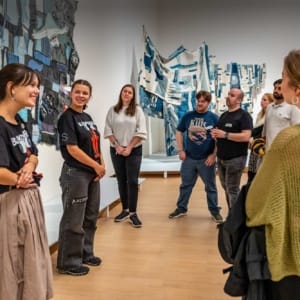
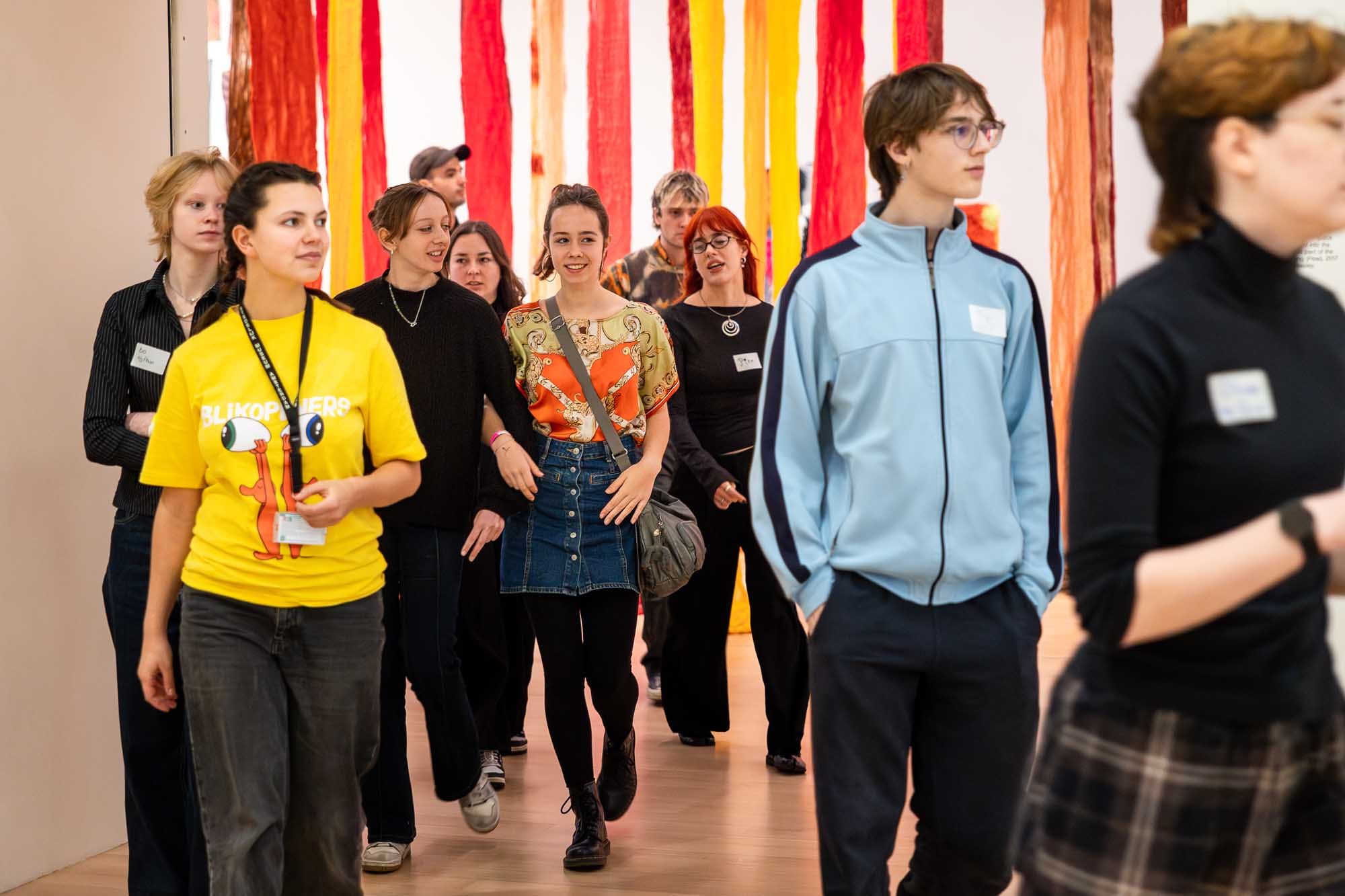
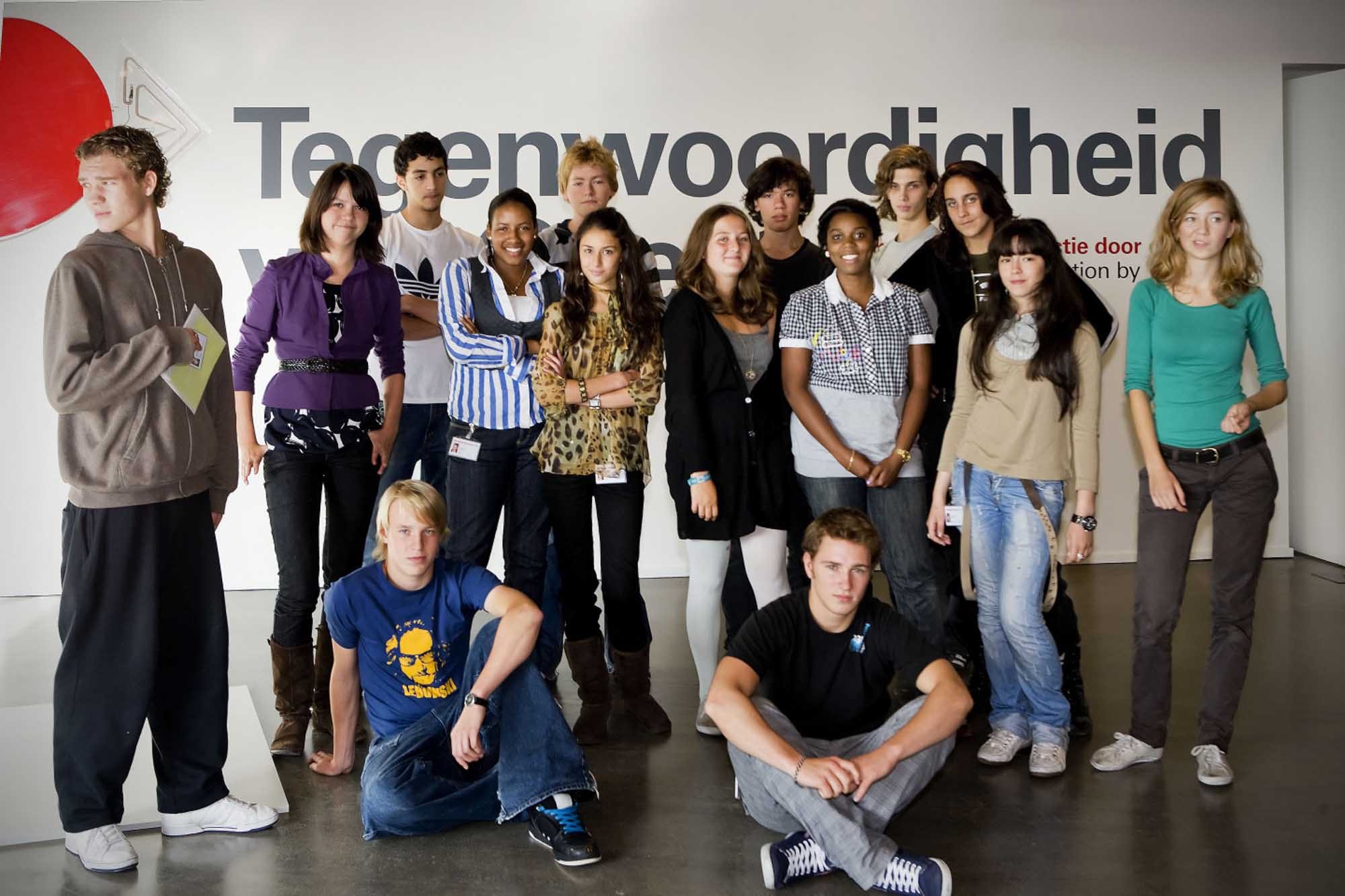
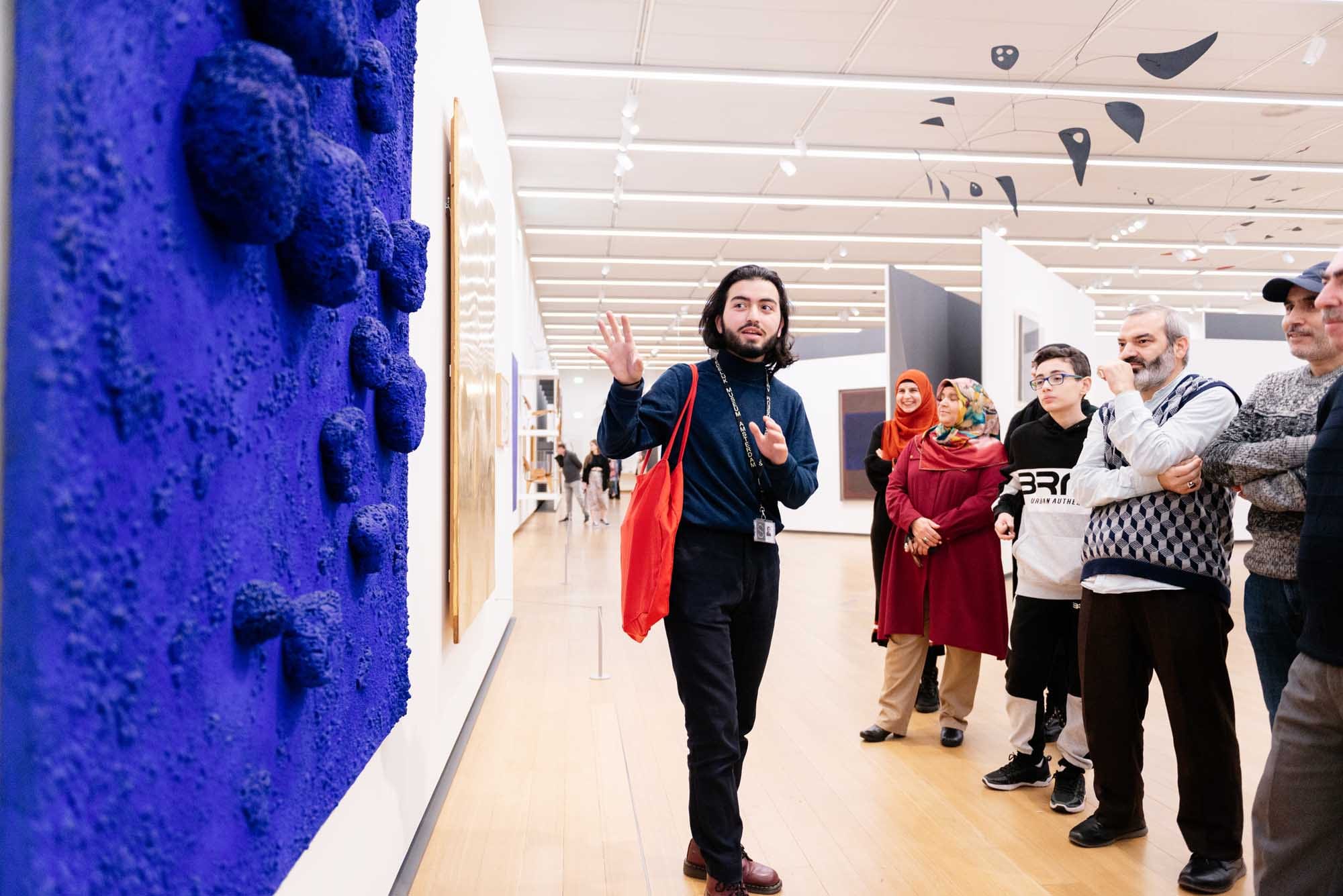
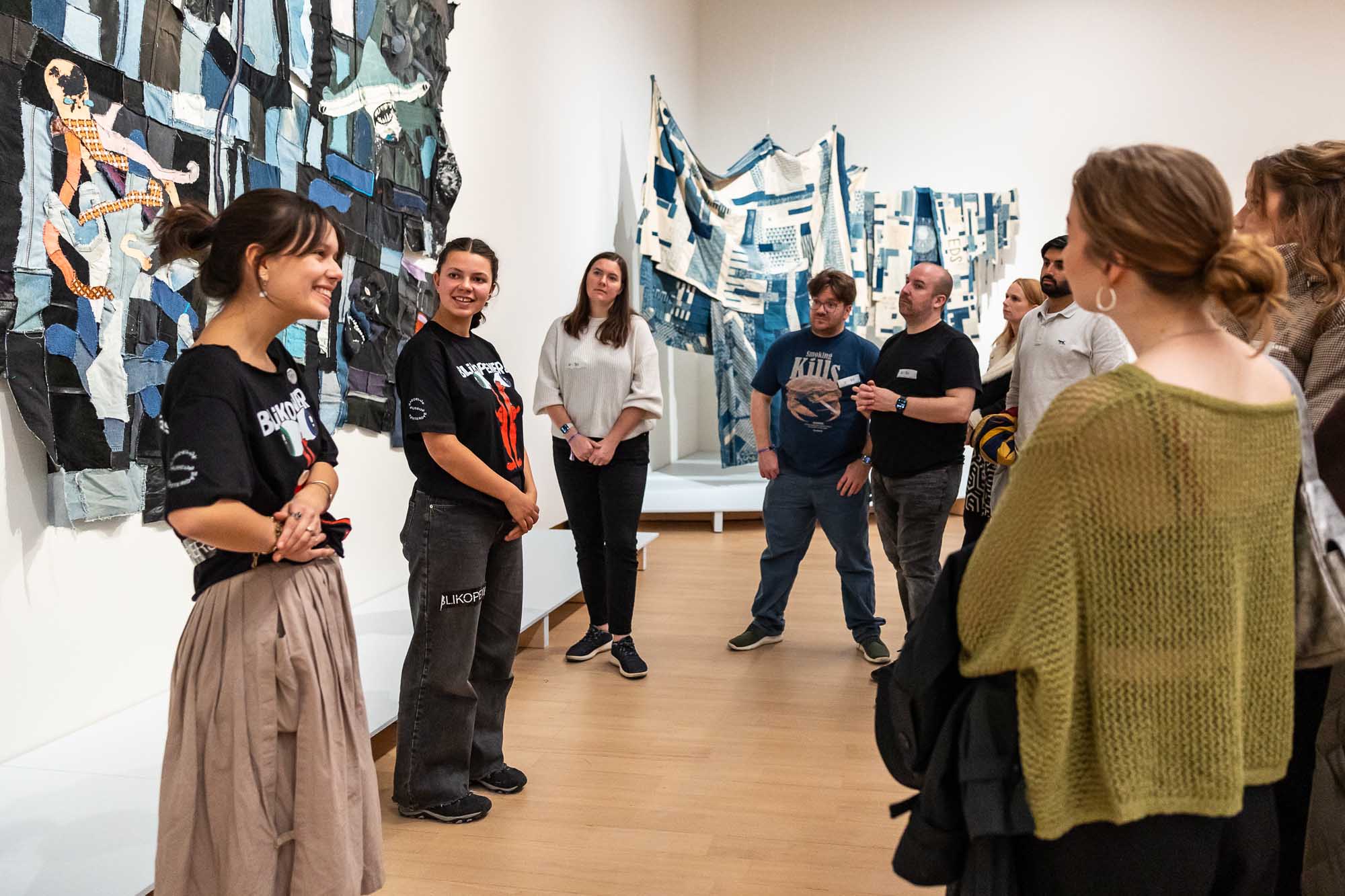
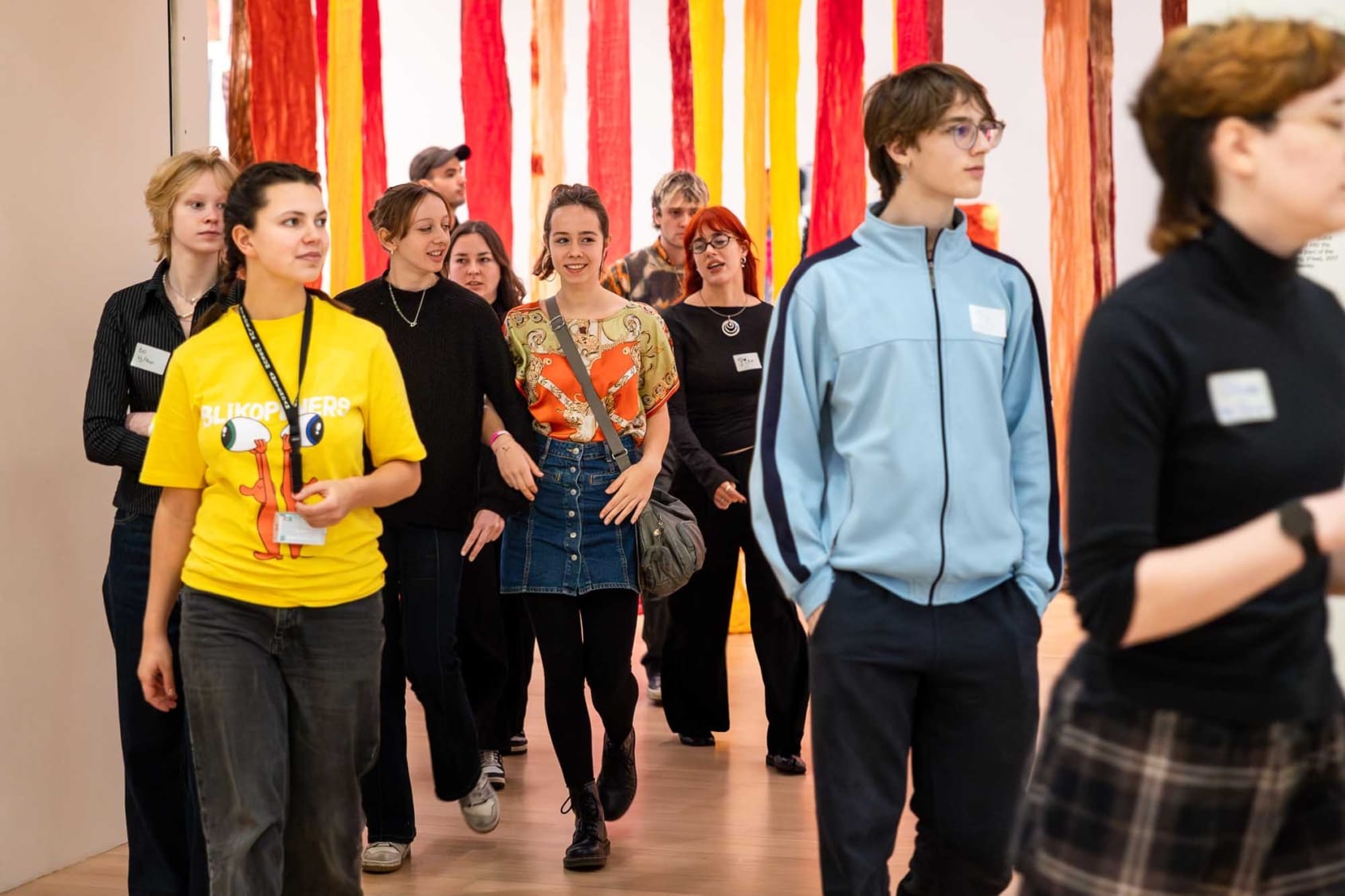
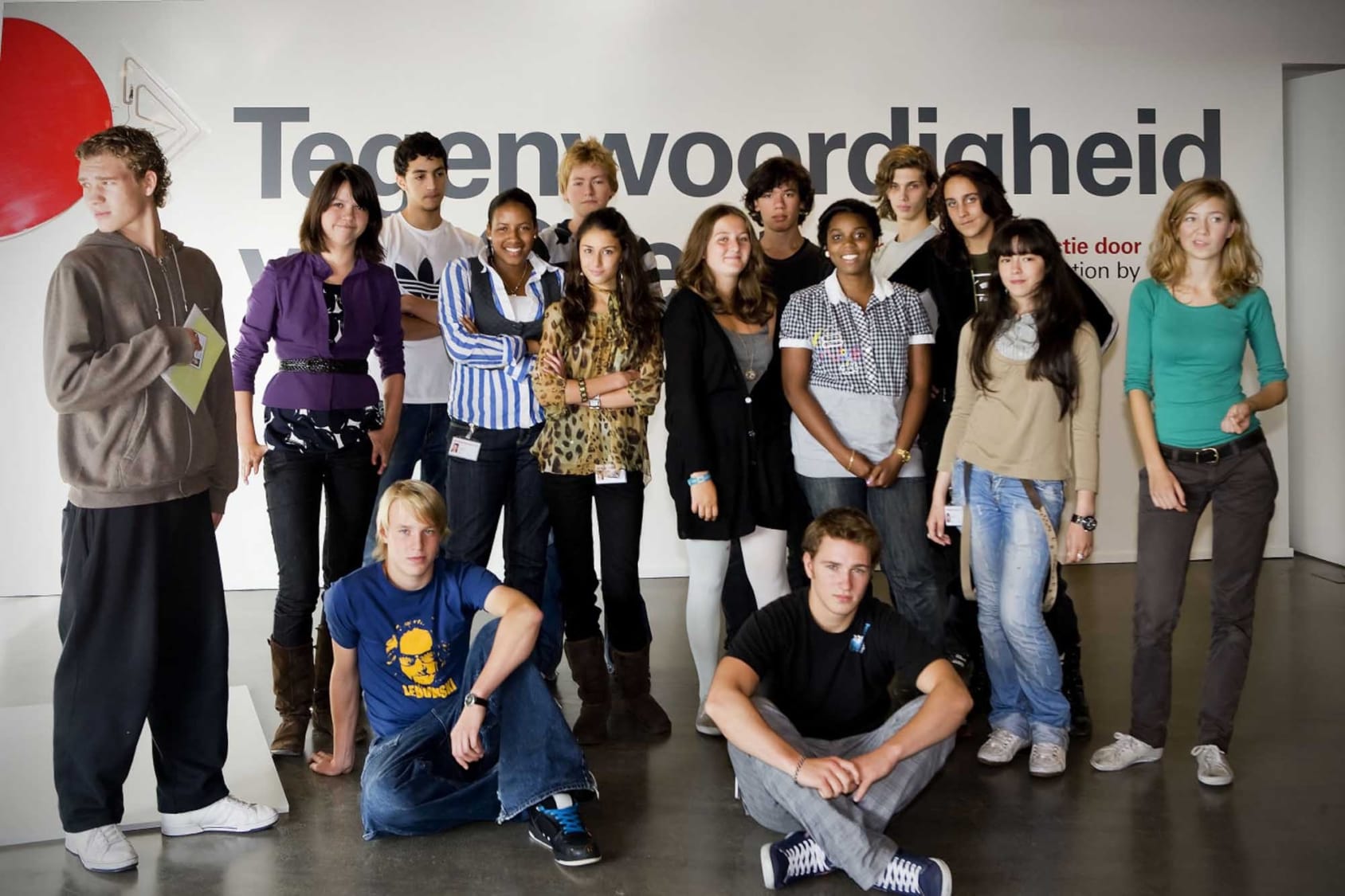
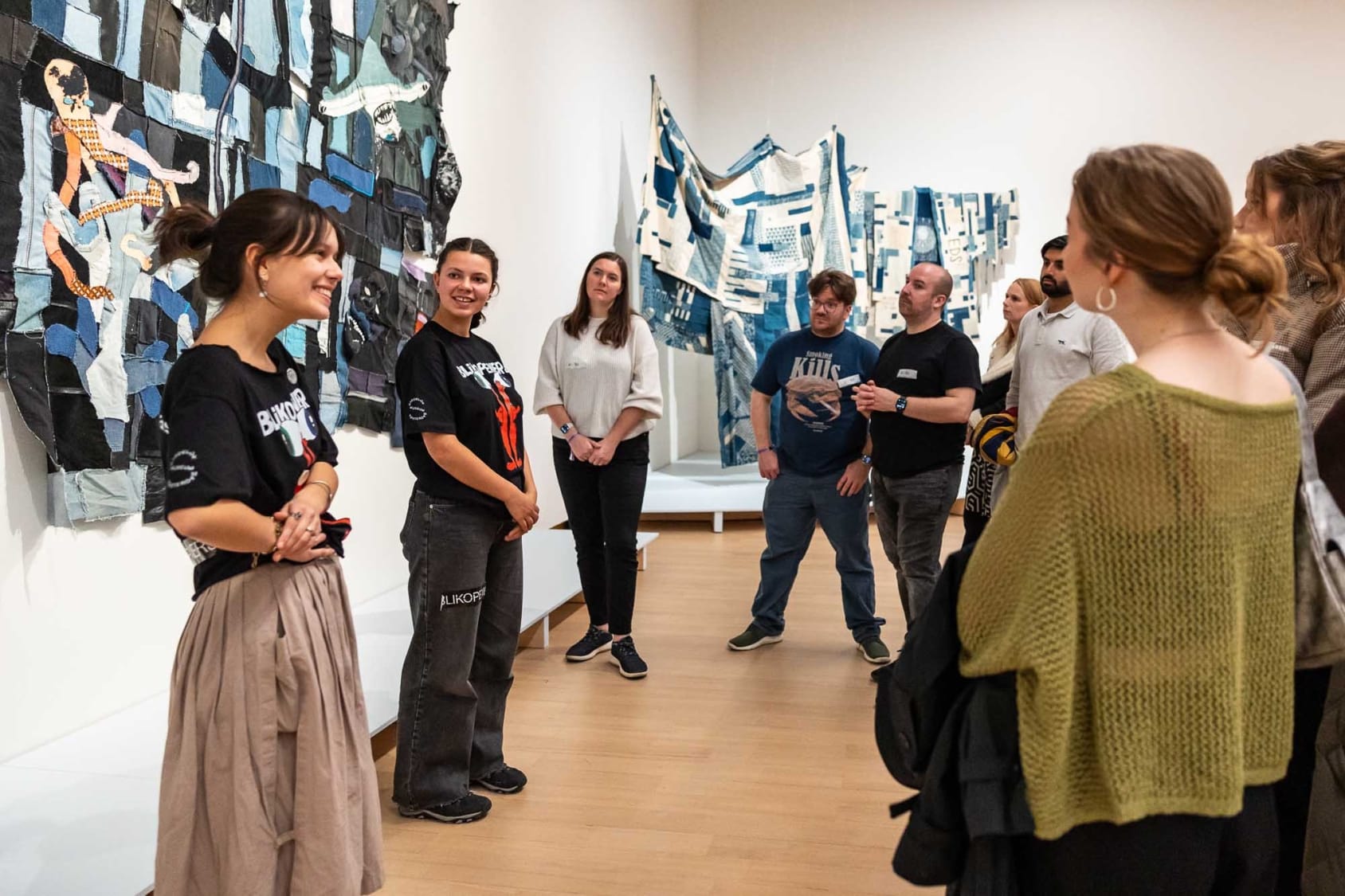
As cultural institutions have sought to attract new, younger audiences, museums have developed a wide range of youth programs. In the United States, museums first turned their attention to teenagers in the 1990s, most notably at the Whitney Museum of American Art in New York and the Walker Art Center in Minneapolis. Stedelijk Museum Amsterdam, a leading museum of modern and contemporary art and design in the Netherlands, launched its own youth program in 2008: Blikopeners. Working with social impact consultants Diversion, the Stedelijk assembled a group of 15- to 19-year-olds to form the program’s first cohort. Peer education, a learning approach in which individuals from broadly similar age groups, backgrounds, or experiences educate and support each other on specific topics, is central to the program. This finds expression in Blikopener tours for other young people, in events organized for peers, and close collaboration between participants in all their endeavors at the museum. All this, and the fact that being a Blikopener is a paid side job, are core aspects of the program whose structure closely mirrors American models.[1]
It soon became clear after the program began that the benefits of youth projects extend well beyond simply “attracting young people to the museum.” An initial study commissioned by the Stedelijk and carried out by independent researcher Eva Klooster showed that teenage participants experienced significant growth in personal and social development, as well as career opportunities.[2] Blikopeners was therefore more of a talent development program (focused on education) than an ambassador program (aimed at marketing). It also became clear that the benefits are reciprocal. While the museum has a lot to offer teenagers, introducing them to art, creating career opportunities and more, teens also contribute in valuable ways to the museum, bringing fresh ideas and perspectives, and facilitating communication with their peers. Not that the exchange between teenagers and museum has always been smooth. Both have had their share of disappointments. Not all the ideas that the teenagers propose are feasible, for example, and engaging participants’ peers can be a challenge.
In 2024, Blikopeners marked its seventeenth year. There are about two hundred Blikopener alumni today, many of whom are now in their twenties or early thirties. That offers an opportunity to gage the program’s long-term impact more clearly. An extensive American study, Room to Rise: The Lasting Impact of Intensive Teen Programs in Art Museums, has shown that the effects on the development of participants continue long after the program ends.[3] The results of our new research conducted in 2024 confirm this.[4] The present article builds on that research, focusing on how youth program alumni are shaped by their experience and contribute in turn to change in the cultural and creative sector.
Since the launch of Blikopeners, the cultural sector has changed considerably. Seventeen years ago, few regarded diversity, equity and inclusion (DE&I) as more than a peripheral issue. Today these are key for many cultural institutions, not least the Stedelijk. Despite push-back from conservative political forces, many now recognize the need to create space in the cultural sector for previously underrepresented groups and perspectives. Blikopeners can play a role in this process. Since the program’s inception in 2008, the Stedelijk has prioritized diversity when assembling successive cohorts of Blikopeners. Participants are carefully selected from different city districts, schools, educational and cultural backgrounds to ensure a range of perspectives and experiences. Today, many Blikopener alumni are working in cultural and creative industries, including traditional institutions such as museums, as well as commercial sectors such as fashion, while others earn their living as creatives, as musicians for example. Many feel that their involvement in the program helped shape their careers and our research looked into whether this is contributing to the transformation of the cultural sector.
Room to Rise looked at the impact that former participants had on the world around too, particularly the lifelong relationships alumni have with museums and other cultural institutions. It found, for example, that “Some alumni also sought to replicate aspects of their program experiences for others” which it described as a “desire to give back.” The authors noted that: “Tellingly, because of the freedom to question the status quo that they developed in their teen programs, alumni who go on to work in museums and other cultural institutions may be uniquely positioned to push forward innovative practices.” We were eager to see whether we would find a similar effect in our study in the Netherlands.
Below, we present the findings of our study on the long-term impact of the Stedelijk’s Blikopeners program and how it continues to influence alumni’s careers and lives. We have tried to assess whether the program serves as a pipeline for new talent. We have explored how Blikopener alumni influence the world around them, and what that tells us about the impact an intensive youth program can have on the cultural sector as a whole. As budgets for arts and culture shrink and pressure on DE&I initiatives grows, it is all the more important that we review the evidence regarding the impact these programs can have.
Room to Rise: The Lasting Impact of Intensive Teen Programs in Art Museums was published in the United States in 2015. The American museums discussed by its authors have all run youth programs since the 1990s. That enabled researchers to examine how these programs have shaped the adult lives of approximately six hundred alumni. The research was conducted through questionnaires, which were completed by 264 alumni, as well as focus groups and interviews with thirty-four participants. The engagement strategies of the programs were defined as follows:
Five short-term outcomes were then identified, which museums had previously noted during and immediately after the participants’ involvement in the programs, and which also appeared in the literature: personal development, artistic and cultural literacy, arts participation, social capital and leadership.
The long-term impact can be summarized as follows:
As far as we know, Room to Rise is the most comprehensive study on youth engagement programs in art museums to date, and because these programs have run in American museums since the 1990s, it is the only research to have assessed the long-term impact on alumni. The present study examines the Netherlands’ first program of its kind at Stedelijk Museum Amsterdam. While our research has a similar format to Room to Rise, it is less extensive, since it focuses on one program at one museum and was conducted with fewer respondents and over a shorter period.
In our research we actively involved Blikopener alumni and program coordinators past and present. We were therefore able to leverage their extensive knowledge. Blikopener alumni Lateesha Verwey and Martijntje Baarda helped design the research and carried out the study together with researcher Anna Elffers. Blikopener coordinators participated from the outset, sharing their knowledge, experience, and contacts with alumni and contributing to the research design and survey questions. Some also helped interpret the findings. We believe their collaboration led to deeper insights and more valuable outcomes for everyone involved.
Of the approximately two hundred Blikopener alumni, thirty-five responded to our invitation to complete a questionnaire. We also conducted in-depth interviews with a diverse selection of ten alumni who drew a timeline during their interview of what happened in their lives before, during and after they participated in the program. This was inspired by the Journey Maps described in Room to Rise. We expanded the Room to Rise model by incorporating the relationship that Blikopener alumni have with the museum, cultural, and creative sectors. We wanted to know whether participants ended up working in these sectors, and if so, how their Blikopener experience had informed the perspectives, priorities and practices they brought to the table in their professional life. Following Klooster’s 2014 study, we also interviewed people from the home and work environments of former participants to gather insights about working and interacting with Blikopener alumni.
Blikopeners has influenced the study and career choices of many alumni. Besides shaping individual work and non-work trajectories the program has also helped diversify participation in the cultural sector. Although the limited number of respondents prevented us drawing accurate quantified conclusions–alumni now working in arts and culture may be overrepresented in the survey–clearly a significant number of Blikopener alumni are active in the museum, cultural, or creative sectors. Their roles vary widely, and some have pursued multiple career paths. Many are active as creatives, in fields as diverse as visual arts, comedy and fashion. Some former participants have initiated and created their own programs as freelancers. In addition, many teach classes, give workshops, or carry out participatory art projects, transferring their creative skills and visions to others. Some former participants have secured permanent positions in the museum or cultural sector, with several in roles dedicated to engaging young people. Others aspire to careers or already work in roles such as collection manager or curator. For some, this career path developed directly from their Blikopener experience. A former participant now well on her way to becoming a curator explains: “It was through Blikopeners that I developed my love of art and found the job I really wanted. I chose the study I’m doing now, an MA in Curating Art & Cultures, when I was 15, after one of the curators at the Stedelijk recommended it.” Some Blikopener alumni are also involved in supporting roles in the cultural or creative sectors, providing content for artists, accounting for creatives, archiving at artists’ studios, or audience services at cultural institutions. While other alumni work outside the cultural or creative sectors, in fields such as hospitality, law, business, or education, even in these areas, their experiences with Blikopeners continue to have an impact as we will see in the following chapter.
In the questionnaire, we asked former participants whether they believe they have made an impact in the world of arts, culture, and creativity during and after their time as Blikopener participants. Respondents interpreted this in different ways. Examples that alumni gave of the effect they have had focus mainly on events, audio guides, and social media content they organized and created while involved in the program. Some respondents believe this also had an impact on the Stedelijk because it led to programs and communication tools that otherwise would not have existed, such as DJs and other music artists performing at the museum, a collaboration with a local fashion brand and a Stedelijk TikTok account. Some respondents also felt that the Stedelijk had learned how to connect with teenagers, and that new and younger audiences now visit the museum as a result of Blikopeners. Respondents also mentioned their wider impact, noting that the initiative has been emulated outside the Stedelijk. In fact, some are occasionally asked for advice by other museums. One former participant mentioned that she had been invited as part of a Blikopener delegation to Oslo (Norway) to share her experience with three museums there which subsequently launched their own Blikkåpner youth program directly inspired by Blikopeners. The alumni who believed they have had no influence generally did not explain why. Those who did, related this specifically to the Stedelijk. For example, one shared their sense of frustration after a plan to open the Stedelijk’s utility areas to the public ran up against museum regulations. Other respondents indicated that the ideas and opinions they contributed as participants were not always taken seriously: “This made you feel inferior, as though you didn’t really have a say.”
Blikopener alumni who believe they have had an impact on the world of art, culture, and creativity after their initial year gave concrete examples, such as continuing to guide tours at the Stedelijk, participating in similar programs at other cultural institutions, or noticing that other cultural institutions were starting similar projects. Some have continued to proudly identify as a Blikopener participant, regularly citing it as an “example of a successful participatory program” and highlighting the importance of engaging young people. Those who work in cultural institutions also believe they have an impact, both through the work they do and by advocating their vision through these roles. Finally, some alumni believe they have an impact as creative entrepreneurs, initiating and executing their own projects, just as they did during their time in the program. Below, based on these interviews, we elaborate on three ways in which Blikopener alumni have impacted on the cultural and creative sectors in particular.
Some Blikopener alumni have put their heart and soul into making art and the art world more accessible to diverse groups in society. They often link this directly to their Blikopener experience. We see this as a form of giving back, of offering others what they themselves have experienced, using skills they acquired in the program. Several now work professionally with young people and vividly recall how they felt at that stage in their lives, reinforcing their desire to engage with and support youth. Listening to young people and creating opportunities is central to their approach. One former participant actively applies this in her role as a public program officer at another museum. Her supervisor, herself a former intern at the Blikopeners program, sees a direct connection to her time in the program, stating, “The peer-to-peer principle she learned there has made her very good at translating what she finds interesting into something relatable for her peers. She has devised her own rules for what a museum can offer and knows how to translate them effectively. She can fill this role because she has been a Blikopener participant.”
Despite their positive experiences in the program, some former participants view museums in general, including the Stedelijk, as a place where change is not always easy to implement. One former participant, nine years after his time in the program, took part in a similar initiative at another museum that targeted an older age group, ranging from eighteen to thirty. In this program participants operate with greater independence. His motivation partly stemmed from a desire to make museums more accessible to a diverse range of young people, just as Blikopeners had done for him. However, taking part in this later project, he realized how slowly museums evolve in this respect and how many competing interests are involved. When another participant found a job at a different museum he began to realize the extent to which Blikopeners forms a sheltered environment, allowing participants the freedom to develop and implement their creative ideas.
The alumni we interviewed are now aged between twenty-four and thirty-four. They have a clearer understanding of what matters to them. For example, one interviewee now works as a creative producer for smaller, more flexible projects, believing she can accomplish more in these contexts than in a large, unwieldy institution. She is happy with her decision, as she explains: “It feels like working with my own people. Participation is very important to me. I believe things change through action—by doing and making small improvements for everyone. It’s a bit of a kumbaya mindset.” Colleagues agree that former Blikopener participants make an impact in these kinds of projects. As one colleague remarked, “She is a perfect fit for our mission to embed ourselves in the city. She is articulate and generous in connecting people from her network. If she commits to the cultural sector, I believe she will make a real impact. She can help define what our organization should be.” Another alumna, who works for a small cultural organization, is praised by one of her colleagues for being ‘a connecting force’: “She doesn’t have a big ego. That’s a great quality. People listen to her.” Both these alumni combine their work for smaller cultural organizations with projects that they organize themselves.
This willingness to take the initiative and try new approaches can be traced back to lessons learned during the program. As one former participant noted: “It gave me a sense that you could simply ask, and you would soon find out if it was possible or not.” Many alumni also spoke about discovering “how much you could get done”: the power of collective action that they experienced firsthand as Blikopener participants.
Another former participant works as a freelance creator, producing online content and frequently promoting friends involved in art or music. “As a Black girl from the Bijlmer” she wants the world to realize “that everyone can try to do what they really want to do.” She is especially supportive of people from minority backgrounds, knowing they often need more assistance. She also speaks out about the inequality she observes in the treatment of Black and white people. A strong awareness of these issues is shared by other former Blikopener participants. For example, one participant is committed to fighting discrimination, not least in the museum world. She has noticed that young people are afraid to speak out, fearing it may adversely affect their career in the museum world. She has spoken out herself, both at the Stedelijk and at another Dutch museum, where she helped set up a youth engagement program and found that while her immediate colleagues agreed with her, support was wanting further up in the organization.
It is hard to measure whether the engagement of interviewees with these issues stems directly from their participation in Blikopeners and how exactly this may have shaped their perspectives. Former participants mention that the program encouraged them to express themselves and helped build their confidence. One felt that this definitely influenced his ability to voice his opinions, noting, “Blikopeners has taught me to speak up. Sometimes, when you notice something unfair or something could be improved, you assume others are already aware of it, but sometimes it turns out that you’re the first to notice and address the issue. It gave me a new perspective, one that stays with you. You can’t forget that you’re allowed to have an opinion, too.” Yet it is also evident that many former participants probably already possessed this quality, which was partly why they were selected for the program in the first place.
Some participants remarked that the group’s diversity directly influenced the way they engaged with these issues. It had challenged their preconceived notions about social and educational hierarchies. As one participant reflected: “At first I didn’t want to go to a vocational school because I had been brought up to think that it would be a step down… Blikopeners enabled me to meet different kinds of people and showed me that you could live life in all kinds of ways and that it could be okay and fun and satisfying.” Breaking down social barriers and hierarchies became fundamental to the Blikopener approach, encouraging alumni to incorporate diversity and inclusion in their professional lives.
Another interviewee recalls conversations with queer or nonbinary participants, which made her more aware of these aspects of diversity from a young age. Reflecting on this, another former participant remarked, “Being part of a heterogeneous group strengthens your sense of self. You gain a clearer understanding of what you bring to the table.”
At the core of our research was our desire to find out whether Blikopeners contributes to a more diverse and inclusive cultural sector. Based on our findings, the answer appears to be: yes—although this is not without its challenges. Nevertheless, the program’s legacy is clear: Blikopeners alumni are contributing to a more inclusive cultural landscape, both through formal roles and grassroots initiatives. In a time of shrinking budgets and political pressure in the Netherlands, their work and their perspectives can have an important impact.
While Blikopeners was initially designed to support individual growth, its deeper and more lasting effect is the way the program’s alumni influence the sector itself. Many of those surveyed have become actively involved in the world of art, culture, and creativity, and particularly how many have become creatives and producers. While it may be an exaggeration to fully attribute this to Blikopeners, participating in the program seems to offer opportunities to develop creative skills, and this connects directly to the way Blikopeners operates. The diverse composition of each group plays a vital role, as does the freedom and responsibility participants have to develop and realize their ideas in the museum. The effect this has on their self-confidence, as well as on skills such as collaboration, organization, and discussion—skills that were identified by Klooster’s study for the Stedelijk in 2014 as well as in the American Room to Rise study—remains evident many years later. Being taken seriously at a young age has a lasting impact on participants’ sense that their ideas matter. Moreover, the effect Klooster observed on the way participants viewed their future careers still holds true. We heard several examples from former participants who stated that without Blikopeners, they would never have entered the cultural or creative sector. It therefore seems likely that the program contributes to the diversification of the workforce in these sectors.
Many participants are deeply motivated to create accessible, participatory, and inclusive environments. Those who work in museums or other cultural institutions are primarily employed in departments focusing on youth, education, or public engagement. Their backgrounds, shaped by the diverse and collaborative setting of the Blikopeners program, position them to challenge traditional norms and to introduce innovative practices in their respective fields. This clearly helps to foster participatory and innovative practices that may not always be well-developed or sustained, in museums and other cultural institutions. Former Blikopener participants who teach or work on fostering engagement or talent development programs that are more informal or small-scale often share a similar commitment to making art accessible and have a strong belief in the value of creativity.
Our research also shows that former Blikopener participants are particularly attuned to providing opportunities for those who may not have easy access to such prospects and are dedicated to promoting diversity and inclusion in their workplaces. In this way they contribute to a more inclusive organization culture, both inside and outside the cultural sector. Some former participants speak out loudly, clearly, and critically, while others focus on dialogue and connection. In many cases they link their sensitivity to the topic and their confidence to speak out to their experience in the Blikopeners program.
Yet structural barriers still remain. While we found examples of Blikopener alumni who work successfully and happily in museums or other cultural institutions, we found many more who have more flexible, intermittent employment, typically in the world of art, culture, and creativity but also in other sectors. They tend to freelance or join smaller initiatives. Some alumni are reluctant to work in large cultural institutions like the Stedelijk, which they view as slow to change or lacking true inclusivity. They have realized that the freedom they experienced during their participation in Blikopeners is not replicated in regular roles in museums and other cultural institutions. This tension limits the full realization of the program’s transformative potential within established cultural structures.
Our study seems to confirm what the Room for Rise study also brought forward: former participants of intensive youth programs in museums are well-positioned to question the status quo in the cultural sector and to promote innovative practices. This does not mean, however, that they are always successful in this. A follow-up study may offer deeper insights into the experiences of those who have spent more time working in the cultural and creative sector and beyond. What strategies do they employ? And what effect does this have? At present, everyone we interviewed agrees that promoting diversity, equality, and inclusion remains essential, both in museums and in society as a whole. In this, Blikopener alumni may well continue to serve as a lasting source of inspiration. The lasting impact of the program may be best summarized by the way it has fundamentally changed participants’ understanding of what cultural institutions can be. As one former Blikopener noted, he learned to see museums “less as an archive and more as a place you can be a part of.” This shift in perspective–from exclusion to participation–is precisely what Blikopener alumni bring to their work, and it is helping to transform the cultural sector.
Anna Elffers graduated in Cultural Sociology from the University of Amsterdam, followed by a year of study in Arts Administration at Golden Gate University in San Francisco.
She has worked in the cultural sector since 2000. Until 2006, she was a staff researcher at Onderzoeksbureau Letty Ranshuysen. Her previous roles also include education officer at Theater Lantaren/Venster in Rotterdam, marketing officer at Rozentheater in Amsterdam, and market researcher at the Amsterdam Uitburo.
Since 2007, Elffers has worked as a part-time lecturer at Maastricht University, alongside her work as a freelance researcher and advisor for a range of cultural organisations and institutions.
She is a member of the national Cultural Policy Network of the Boekman Foundation and serves as an advisor on grant applications for Brabant C and the Dutch Fund for Cultural Participation.
Emma Harjadi Herman has been working at the Stedelijk Museum Amsterdam since March 2020, where she fullfills the role of Manager of Education and Inclusion. Previously, she worked at, among others, Mama Cash, a fund supporting feminist activism, and for the Dutch national government in Brussels and The Hague. Emma studied Political Science at the University of Amsterdam, New York University, Sciences Po Paris, and the Université d’Abomey-Calavi in Benin.
[1] “Teen Programs Fundamentals Table” In Museum Teen Programs How-To Kit, edited by Zappas, S., Mackie, N. and Majors Y., 2023, 52–88, Minneapolis: Walker Art Center.
[2] Klooster, E. 2014. Blikopeners Vijf Jaar. Onderzoek naar de effecten van het programma Blikopeners in het Stedelijk Museum. [Five Years of Blikopeners. Research on the Effects of the Blikopeners Program at the Stedelijk Museum.]
[3] Linzer, D. & M. E. Munley, 2015 Room to Rise: The Lasting Impact of Intensive Teen Programs in Art Museums. This report shares the results of a three-year research project from 2011 to 2014 that was conducted by the Whitney Museum of American Art in New York, the Walker Art Center in Chicago, the Contemporary Arts Museum Houston, and the Museum of Contemporary Art, Los Angeles.
[4] Elffers, A., 2024 Een pijplijn voor nieuw talent? Een onderzoek naar de impact van het Blikopenersprogramma van het Stedelijk Museum [A pipeline for new talent? A study into the impact of the Blikopeners program of the Stedelijk Museum].